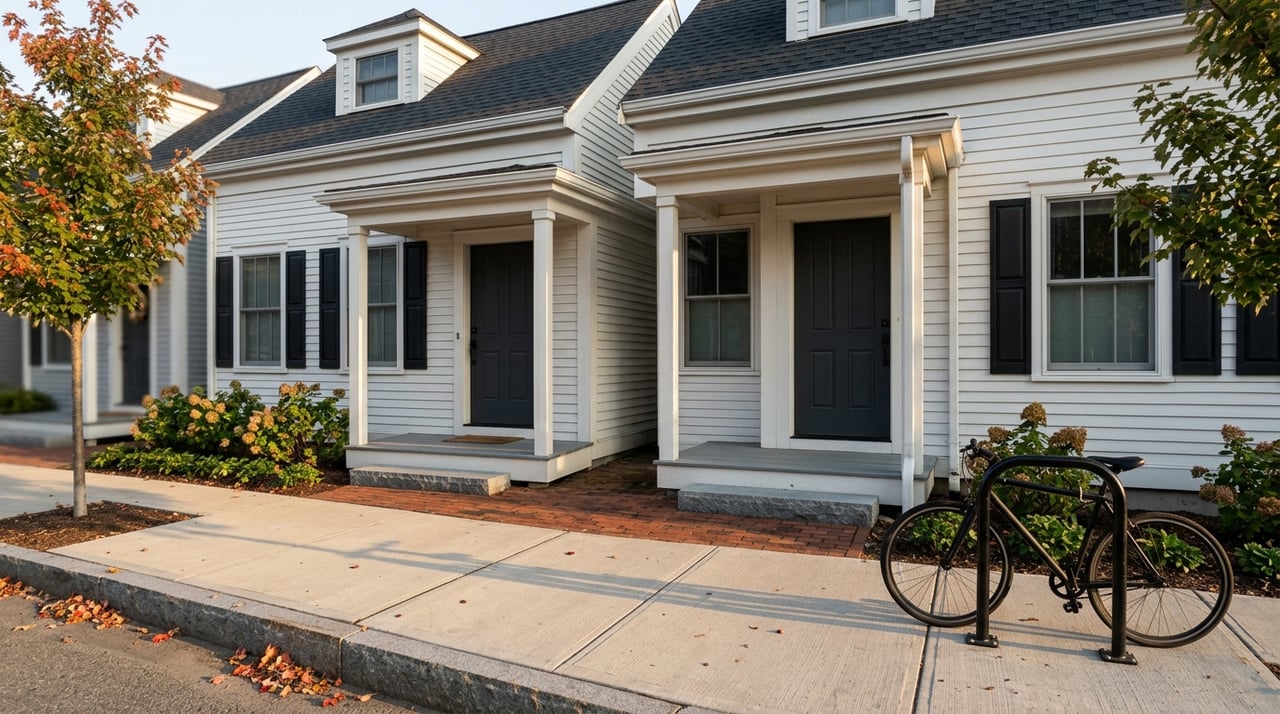
Thinking about living in Burlington without needing your car for every coffee run, grocery stop, or evening walk by the lake? If you are condo or townhome shopping, that goal is more realistic in some parts of Burlington than others. The good news is that the city has invested in walkable districts, transit connections, and public spaces that make a car-light lifestyle possible for many buyers. Let’s dive in.
Why walkability matters in Burlington
Walkability is about more than being close to a few restaurants. For condo and townhome buyers, it often means being able to handle daily life with less driving and more flexibility.
In Burlington, the strongest walkable environment is concentrated in the downtown and waterfront core. The city’s Downtown and Waterfront plan focuses on areas like Main Street, Church Street, Pearl Street, the Railyard District, and the North and South Waterfront, with priorities that include housing choice, transportation choice, and active, healthy living.
That vision is supported by real infrastructure. Burlington reports 130 miles of sidewalk and 1,014 crosswalks, stop bars, and turn arrows citywide, which helps make short trips on foot or by bike more practical, especially closer to the center of town.
Best areas for walkable condo living
Downtown and Church Street
If your top priority is stepping outside and being close to shops, dining, errands, and public spaces, downtown Burlington is the clearest fit. Church Street Marketplace is a four-block pedestrian mall with more than 100 shops, restaurants, and local small businesses, giving buyers one of the most straightforward walkable lifestyles in the region.
This area also benefits from planning that reinforces a pedestrian-oriented street experience. Downtown and waterfront proposals are reviewed under a form-based code, which helps shape buildings and streets in ways that support active ground floors and a stronger public realm.
For buyers, that usually translates into a more connected daily routine. You may be able to walk to a café, pick up groceries, meet friends downtown, and still get to the waterfront or a transit stop without much hassle.
Waterfront living
The waterfront adds a different kind of walkable appeal. It is not just scenic. It is part of how many residents use the city day to day.
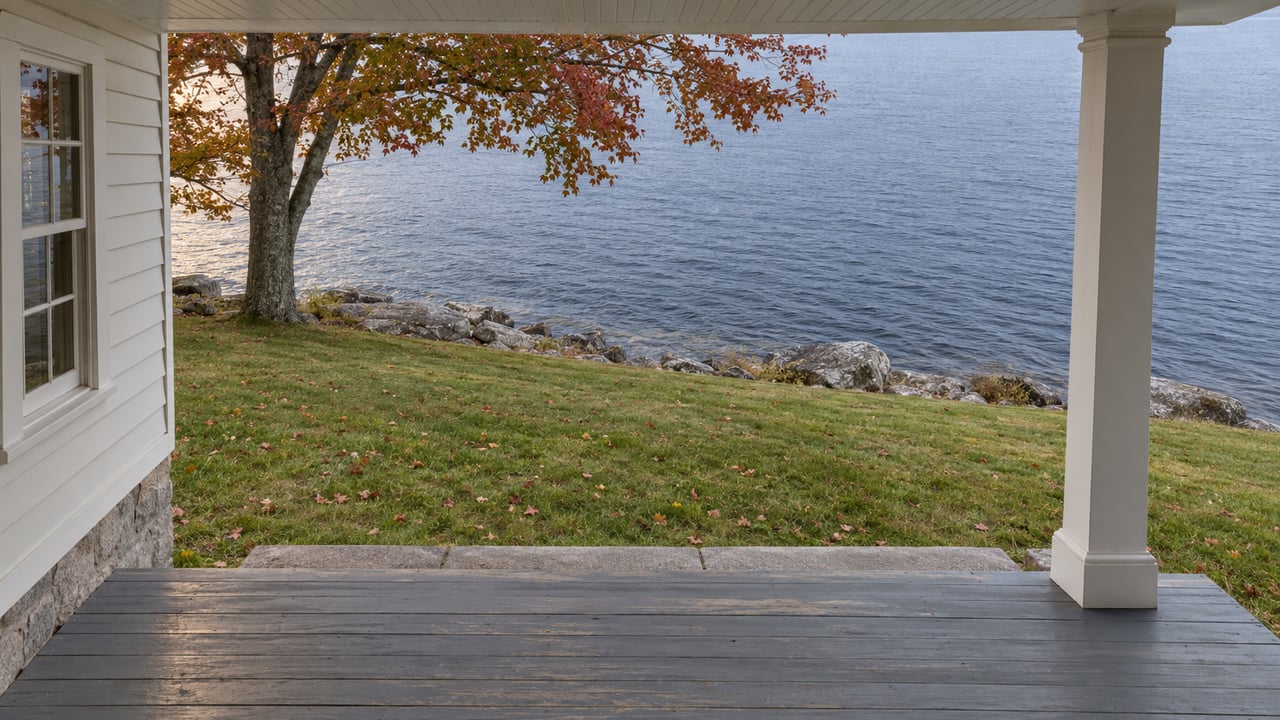
Burlington’s waterfront includes beaches, marina access, events, and the Burlington Greenway, an 8-mile paved path along Lake Champlain that begins in the South End and runs north toward the Winooski River connector. The city also posts daily swim-water updates during beach season, with inspections and regular E. coli testing, which shows how actively this area is managed as a public amenity.
If you are considering a condo near the lake, think beyond the view. Waterfront living can mean an easy walk to trails, public spaces, seasonal events, and downtown destinations.
South End: a walkable alternative
Pine Street and the Innovation District
Not every buyer wants to live right in the middle of downtown. If you want an in-town lifestyle with a different feel, the South End is one of the most important areas to watch.
The city says the South End Innovation District is intended to support a place where people can work, create, live, and play without getting in cars. A 2024 redevelopment agreement calls for more than 1,000 new homes, at least 20% affordable housing, and car-light mobility hubs.
That matters for condo and townhome buyers because it points to a more mixed-use future. Instead of a purely industrial or arts-focused area, the South End is being shaped into a neighborhood where housing, workspaces, and daily amenities are more connected.
Everyday convenience in the South End
Walkability works best when daily errands are simple. In the South End, City Market at 207 Flynn Avenue provides a practical grocery anchor, and the co-op encourages people to walk, bike, or take the bus to classes and events.
That kind of amenity matters when you are deciding whether a condo or townhome can support your routine. A home may feel much more functional when groceries, bike routes, and transit options are all part of the picture.
Old North End: connected and more residential
A car-light option near the core
If you want a more residential setting while staying connected to Burlington’s core, the Old North End deserves a closer look. It is not as storefront-heavy as downtown, but it still supports a car-light lifestyle in the right location.
A key improvement here is the Old North End Greenway, which links Sherman Street with Mansfield Avenue. The city prioritized it because lower-volume streets can create a more comfortable connection between the waterfront and the Old North End while avoiding some busier downtown arterials.
For buyers, this means walkability is not limited to one type of neighborhood. You may find that a quieter residential block still offers strong access to downtown, the lakefront, or bike and pedestrian routes.
Townhomes and smaller-scale ownership options
Beyond the high-rise condo model
When people picture walkable Burlington living, they often think only of downtown condo buildings. But that is not the full story.
Burlington’s Neighborhood Code is intended to enable a wider range of housing types, including duplexes, three- and four-unit buildings, townhouses, and small multi-unit buildings. For buyers who want lower-maintenance ownership without a large high-rise building, that opens the door to more options.
This can be especially helpful if you want a balance between private entry, simpler upkeep, and in-town access. In Burlington, walkable ownership can take several forms depending on the block, the district, and the style of property you prefer.
How transit supports walkable living
Getting around without driving everywhere
Walkability and transit often go hand in hand. In Burlington, Green Mountain Transit serves the city and nearby towns including Essex, South Burlington, Shelburne, Williston, Winooski, Milton, and part of Colchester.
The Downtown Transit Center is the key local hub. Routes 1, 5, 6, 9, and the Sunday 756 South End Circulator connect through it or key downtown and South End stops, making it more realistic to combine walking with bus trips for work, errands, or social plans.
GMT also uses the Ride Ready app and smart card system, with fare capping available on local and commuter routes in Chittenden County. For some buyers, that adds another layer of convenience if you want the option to leave your car parked more often.
What to check before you buy
Focus on the building and block
Even in a walkable city, not every condo or townhome supports the same lifestyle. The most useful questions are often about the specific building and immediate surroundings, not Burlington as a whole.
As you compare homes, look closely at:
- Distance to Church Street, the waterfront, or a regular transit stop
- Whether the property is in the downtown and waterfront form-based code area or a neighborhood-code area
- Dedicated parking availability
- Bike storage options
- Street design and how comfortable the route feels on foot
- Grocery access for day-to-day errands
These details can shape your experience just as much as square footage or finishes. A great unit in the wrong location for your routine may not feel as easy to live in as a slightly different option with stronger connections nearby.
What a walkable Burlington routine can look like
For many buyers, the appeal of Burlington is not just one destination. It is how the pieces fit together.
A walkable routine might mean grabbing groceries at City Market, meeting friends on Church Street, riding GMT to another part of town, and ending the day on the waterfront or Greenway. In the right location, that mix of convenience and lifestyle is what makes condo and townhome living here so appealing.
Downtown and waterfront Burlington remain the strongest match for buyers prioritizing walkability. But the South End and parts of the Old North End also offer connected, car-light possibilities that are worth serious consideration.
If you are weighing Burlington condos, townhomes, or smaller multi-unit ownership options, having a local guide helps you look beyond the listing photos. The right home is not just about the unit itself. It is about how the building, the block, and your daily routine work together. If you want help sorting through Burlington’s walkable options, Real Estate Associates can help you compare neighborhoods, property types, and lifestyle fit with local insight and a hands-on approach.
FAQs
Is downtown Burlington the only walkable option for condo buyers?
- No. Downtown and the waterfront are the strongest walkable areas, but the South End and parts of the Old North End can also support a car-light lifestyle because of their transit, greenway, and mixed-use connections.
Can you live car-free in Burlington as a condo or townhome owner?
- For many day-to-day needs, yes, especially in downtown, waterfront, and South End locations where walking, biking, grocery access, and GMT service line up well.
Are there townhome-style options in Burlington besides large condo buildings?
- Yes. Burlington’s Neighborhood Code is intended to support townhouses and small multi-unit buildings, not just larger condo developments.
What should Burlington buyers look for in a walkable condo location?
- Focus on the building and block, including proximity to transit, grocery options, Church Street or the waterfront, parking, bike storage, and how comfortable the area feels for everyday walking.
Does waterfront Burlington offer more than views for condo buyers?
- Yes. The waterfront includes beaches, marina access, events, and the Burlington Greenway, making it part of daily life as well as a scenic feature.