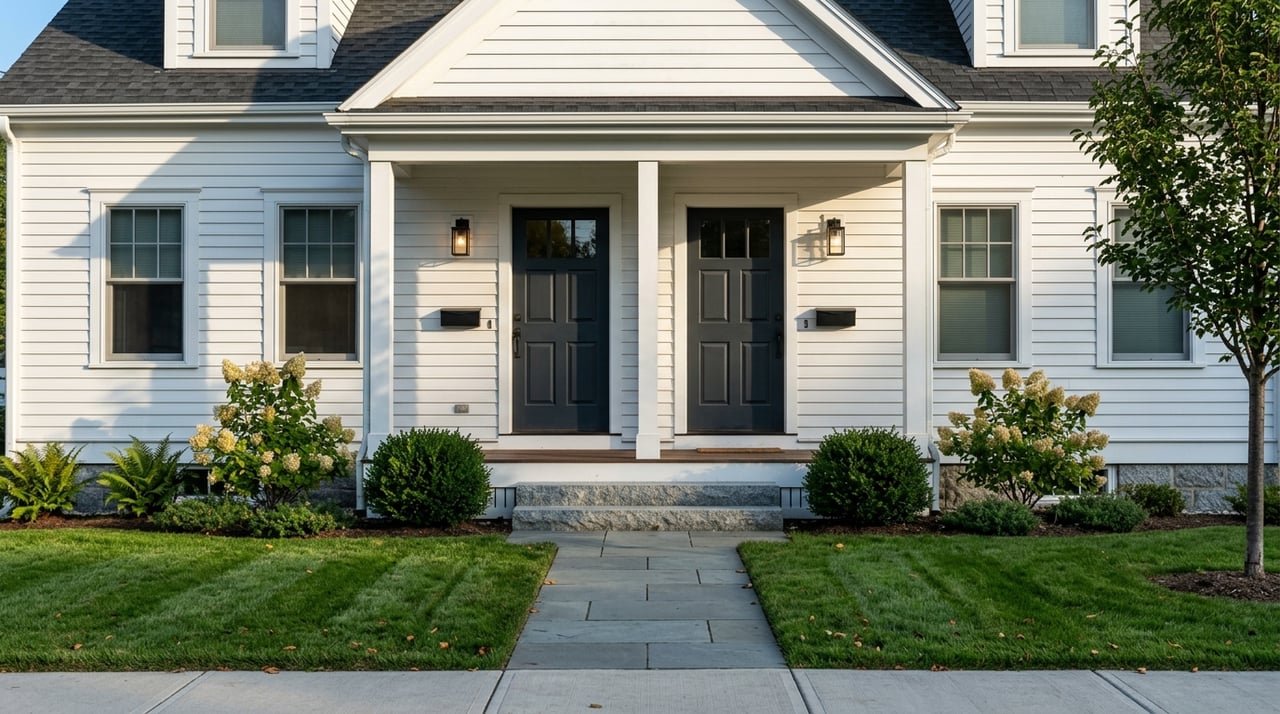
If you are looking for a small multifamily investment in Chittenden County, Colchester deserves a closer look. It offers something many buyers want but do not always find in one place: stronger asking rents than nearby Burlington and Winooski, practical commuter access, and a lake-area setting with real long-term appeal. If you are considering a duplex, house hack, or rental near the water, this guide will help you understand the numbers, the zoning, and the property details that matter most. Let’s dive in.
Why Colchester Stands Out
Colchester sits in an interesting middle ground for investors. Based on Zillow’s March 2026 market pages, the average rent in Colchester is $2,600, compared with $2,199 in Burlington and $2,217 in Winooski. At the same time, average home values are $468,505 in Colchester, $495,142 in Burlington, and $420,408 in Winooski according to Zillow market trend data for Colchester.
That creates a useful first-pass screening tool for investors. Using Zillow averages only, Colchester’s simple gross-rent-to-price figure comes out to about 6.7%, compared with 5.3% in Burlington and 6.3% in Winooski. It is not the same as a full cap-rate analysis, but it does suggest that Colchester can offer attractive rent potential relative to typical pricing.
Colchester Rent Levels for Duplex Buyers
For duplex buyers and house hackers, bedroom-level rents matter more than broad averages. Zillow shows Colchester’s average 2-bedroom rent at $2,304 and average 3-bedroom rent at $3,375. Those numbers are especially useful when you are evaluating side-by-side units, owner-occupied setups, or larger rental homes split into two units.
Inventory is also much tighter in Colchester than in Burlington. Zillow showed 35 available rentals in Colchester, compared with 439 in Burlington and 68 in Winooski. Smaller inventory does not guarantee performance, but it can point to a more limited supply environment for renters looking in town.
Chittenden County Market Context
It is important to view Colchester within the broader county rental picture. A Chittenden County rental market update reported that 824 new apartments were added in 2024, and vacancy rose from 1.2% in June 2024 to 3.6% by December, with a 2.4% annual average. A 2026 update in that same report said vacancy is now around 2.8%, with about 550 more apartments expected in 2026.
That means today’s market may be a bit less tight than it was a few years ago. For you as an investor, that can be helpful because it encourages more disciplined underwriting. You still want to study unit mix, location, condition, and operating costs rather than assuming any available rental will perform the same way.
Why the Lake Area Is Different
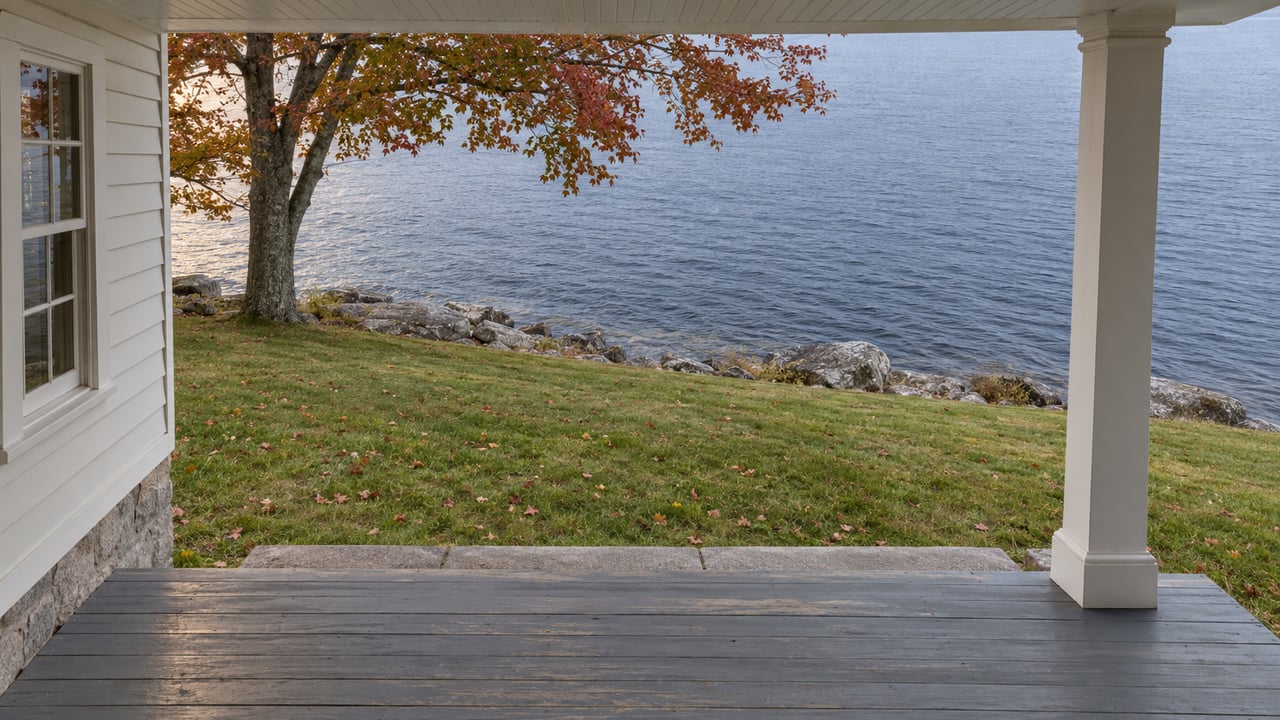
Not every Colchester investment opportunity fits the same mold. Lake-area properties operate in a distinct submarket shaped by zoning, environmental considerations, and site design standards. According to the town’s lakeshore zoning summary, the Lakeshore 1 district covers environmentally sensitive shoreline areas and encourages public lake access, while Lakeshore 2 extends along areas such as Lakeshore Drive, Blakely Road, and East Lakeshore Drive with a mix of residences, restaurants, and recreation.
For duplex investors, the zoning difference matters. Duplexes are conditional in LS1 and permitted in LS2, while multi-family uses are conditional in both districts. In plain terms, that means a property near the lake may have strong appeal, but your path to adding units, converting space, or changing use can be more involved than in a standard suburban setting.
Commute Appeal Adds Value
Colchester is not only about shoreline appeal. The town also has practical transportation access through Route 7, Route 2A, and I-89, as outlined on the town’s official directions page. That combination of commuter convenience and lake access is a big part of why Colchester draws both owner-occupants and tenants.
For a duplex buyer, that can create flexibility. You may be looking for a property you can live in now and hold long term, or a rental that appeals to tenants who want easier access to Burlington and surrounding employment centers without living in the urban core.
What Regulations You Need to Check
Before you get too attached to a potential deal, confirm what the parcel actually allows. Colchester’s planning information notes that all zoning and building permits require inspections before they can be closed out, and the town’s use table shows duplexes and multi-unit residences may be permitted or conditional depending on district. The town’s inspection and permit guidance is a good reminder that assumptions can get expensive.
This is especially important if you are planning:
- A basement apartment or conversion
- An addition to create more rentable space
- A change from single-family to duplex use
- A small multifamily project on a lake-area parcel
In Colchester, the details of zoning, inspections, and site constraints are part of the investment analysis, not an afterthought.
Rental Code and Safety Basics
If you plan to rent a unit, Vermont’s Rental Housing Health and Safety Code applies to rented dwelling units used as regular residences. Colchester’s Accessory Dwelling Unit guide provides a useful summary of core standards, including sanitation, kitchens and bathrooms, water and sewage disposal, trash removal, ventilation, lighting, heating, structural integrity, and pest control.
The same guide also notes that short-term rentals are treated as rental housing and subject to the same code when they are not licensed lodging establishments. If your strategy involves any kind of flexible rental use, it is worth confirming how the property will be classified and what standards apply.
Older Housing Needs Careful Underwriting
Many Colchester properties offer charm and solid long-term potential, but age matters. The town’s housing study, cited in the research, found that at least half of the housing stock was built before 1978 and more than 80% before 1998. That makes renovation planning especially important for duplex and rental buyers.
If the property is pre-1978, lead-safe renovation rules can apply when work disturbs painted surfaces. If the home uses a private well or spring, the Vermont Department of Health says landlords must provide safe drinking water, with drinking water guidance recommending annual bacteria testing and periodic chemistry and radiation testing.
Flood and Stormwater Risks Near the Lake
Lake-area investing also means paying attention to physical risk. The town reports about 3,259 acres in the floodplain and 81 buildings in the Special Flood Hazard Area, with most historic flooding tied to lake flooding. You can review the town’s flooding and floodplain information when evaluating any parcel near the shoreline.
Stormwater management matters too. Colchester operates a stormwater utility with a FY2026 base fee of $64, and properties with more impervious surface can pay more. In the lakeshore districts, new development is expected to handle runoff on site, which can affect renovation plans, parking layouts, and site improvements.
Features That Matter Most
In this kind of market, practical upgrades often matter more than flashy finishes. The most useful features for many Colchester duplex buyers include:
- Separate utilities
- Off-street parking
- Dry basements
- Updated roofs and windows
- Good drainage around the building
- Clear access and site usability
Those are the kinds of details that can protect your budget and make operations easier over time. They can also support stronger tenant appeal in an older-housing market where maintenance and moisture issues can quickly affect cash flow.
Real-World Deal Examples
Current listings help show how buyers are underwriting Colchester opportunities. One Roosevelt Highway duplex listing is priced at $550,000, highlights separate utilities, and notes estimated rent of $3,737 per month. Another duplex on Mill Pond Road, cited in the research, is listed at $515,000 and features separate driveways, full basements, and new oil tanks installed in 2024.
These examples are useful because they show what local buyers tend to value. In commuter-corridor properties, utility separation, parking, and durable building systems often carry more underwriting weight than cosmetic upgrades alone. By contrast, lakefront properties can move into a much higher price bracket based largely on location.
Tax Planning for House Hacks
If you plan to live in one unit and rent the other, Vermont property tax classification is worth understanding early. The state says property leased for more than 182 days or used exclusively for rental is nonhomestead, and if a homestead is partly rented, the actual rental percentage must be reported. You can review the state’s property tax classification guidance.
Colchester is also in a 2026 townwide reappraisal cycle, which means assessed values can shift even if your rent has not. That does not make a deal good or bad on its own, but it should be part of your cash-flow planning.
Is Colchester Right for Your Strategy?
Colchester can be a strong fit if you want a small investment property in a commuter-friendly, lake-adjacent market and you are comfortable doing careful due diligence. Compared with Burlington, the simple rent-to-price math looks stronger based on current Zillow averages, and compared with Winooski, Colchester offers a different mix of housing stock, lot configurations, and lake-area appeal.
The tradeoff is that you need to respect the details. Zoning can vary sharply by district, older homes can require more thoughtful renovation planning, and waterfront or near-water sites bring added flood and stormwater considerations. If you approach the search with clear numbers and local guidance, Colchester can offer compelling duplex and rental opportunities.
If you are weighing a duplex purchase, lake-area rental, or owner-occupied investment in Colchester, working with a local team that understands permitting, renovation factors, and neighborhood-level pricing can save you time and help you avoid expensive surprises. Connect with Real Estate Associates to talk through your goals and explore opportunities that fit your strategy.
FAQs
What makes Colchester duplexes attractive for investors?
- Colchester combines relatively strong asking rents, limited rental inventory, commuter access, and lake-area appeal, which can make duplexes attractive for both long-term rentals and house-hack setups.
How do Colchester rents compare with Burlington and Winooski?
- Based on Zillow’s March 2026 market data, average rent is $2,600 in Colchester, compared with $2,199 in Burlington and $2,217 in Winooski.
What zoning should you check before buying a Colchester rental?
- You should confirm the parcel’s zoning district and allowed uses because duplexes and multifamily uses may be permitted or conditional depending on location, especially in lakeshore districts.
What should buyers know about lake-area Colchester properties?
- Lake-area properties may offer strong appeal, but they can also involve added zoning review, floodplain considerations, stormwater requirements, and site-design expectations.
What property features matter most in a Colchester duplex?
- Separate utilities, off-street parking, dry basements, updated roofs and windows, and good drainage are often some of the most valuable practical features for long-term ownership.
What should house hackers know about Vermont taxes in Colchester?
- If you live in part of the property and rent part of it, Vermont requires you to report the actual rental percentage, and longer-term rental use can affect whether part or all of the property is classified as nonhomestead.