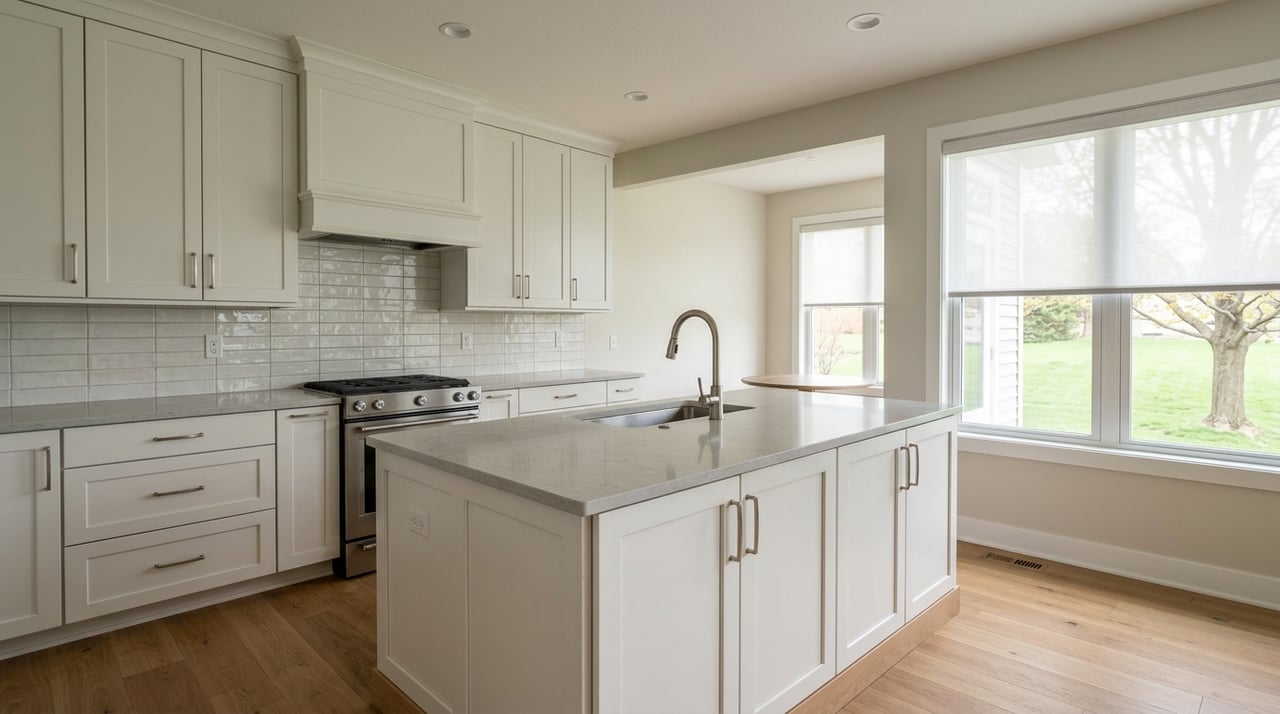
Thinking about buying new construction in Milton? Clearview can be appealing if you want a newer home, lower maintenance, and a more structured building process than starting from scratch. But buying in a builder-led neighborhood works differently than buying a resale home, and the details matter. This guide walks you through how Clearview works, what you can customize, what costs to expect, and what to watch for before you sign. Let’s dive in.
What Clearview in Milton Offers
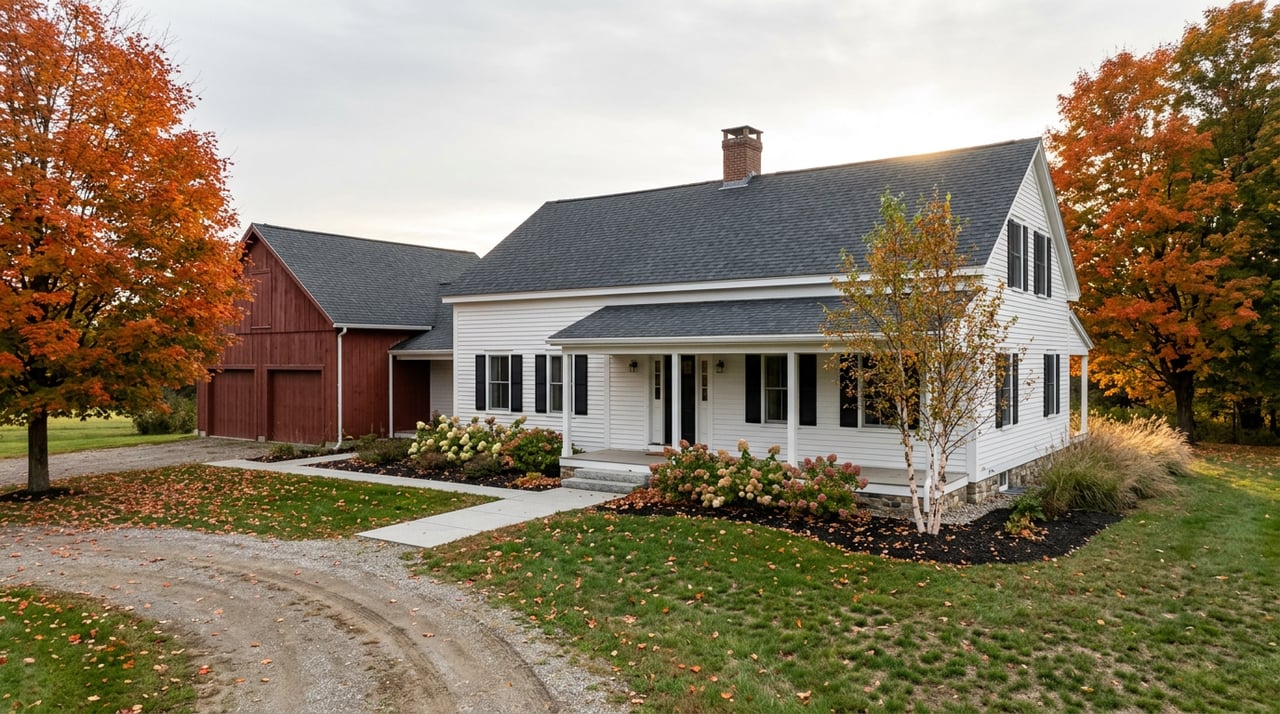
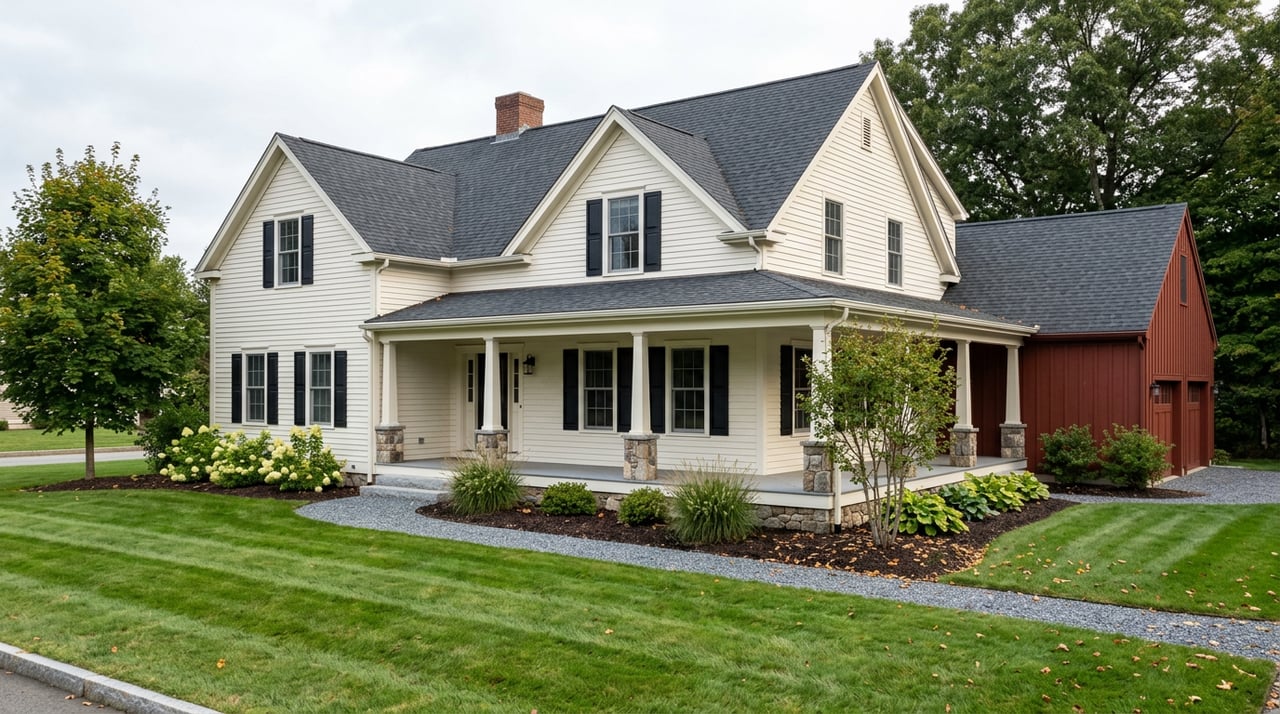
Clearview is a Sterling Homes neighborhood in Milton, set up as a new-construction community with a rural Vermont feel and views toward the Adirondacks. Sterling positions it as an option for buyers who want modern efficiency and less upkeep than many older resale homes.
It is important to understand Clearview as a semi-custom, builder-led neighborhood. You are not starting with a blank lot and a fully custom design process. Instead, you choose from a menu of established plans, then make selections and upgrades within the builder’s system.
At the time of research, Sterling’s Clearview page showed the current phase as 15 single-family homes and 1 duplex unit. However, the homes shown publicly were all marked sold, so any current availability should be treated as time-sensitive and verified before you make plans around a specific lot or home.
How Clearview Differs From Resale
A resale purchase usually gives you a fixed home, a fixed layout, and a faster path to closing. Clearview is different because your decisions happen in stages, and pricing can shift as you move through the reservation and selection process.
That can be a real advantage if you want a newer home with updated systems and some personalization. It also means you need to plan carefully for deposits, upgrade costs, and the build timeline, since this is not a plug-and-play transaction.
Floor Plans to Know
Two of the most relevant Clearview plans are the Mansfield and the Wentworth. Each offers a different style of living, so your day-to-day needs should guide the choice.
Mansfield plan overview
The Mansfield is a two-story home with about 1,568 finished square feet. It includes 3 bedrooms, 2.5 baths, an unfinished lower level, a 484-square-foot two-car garage, and a 60-square-foot front porch.
If you want a more traditional layout with bedrooms upstairs and living space on the main level, this plan may fit the way you live. It can also make sense if you want an extra bedroom from day one.
Wentworth plan overview
The Wentworth is a one-story home with about 1,490 finished square feet. It includes 2 bedrooms, 2 baths, an unfinished lower level, a 462-square-foot two-car garage, and a 54-square-foot front porch.
If first-floor living is high on your list, this plan stands out. Buyers who want fewer stairs in daily life often prefer this kind of layout, especially when they still want lower-level space for storage or future flexibility.
Lot fit and plan variations
Sterling’s materials also show left- and right-garage variants, along with some walkout lower-level configurations. Those details can affect how a home sits on a lot, how your yard functions, and how much future lower-level potential you may have.
That is one reason it helps to think beyond square footage alone. The right plan is not just about room count. It is also about how the lot, driveway approach, lower level, and everyday flow work together.
What You Can Customize
One of the biggest questions buyers ask is how much choice they really have. At Clearview, the process appears structured rather than fully open-ended.
Sterling’s published specifications describe “Personal Choice Lists” and appendices covering items like:
- Windows and doors
- Lighting
- Plumbing fixtures
- Finish hardware
- Flooring
- Appliances
- Some kitchen and bath colors and finishes
The specs also mention buyer-facing options such as:
- Deck size
- Shutters
- Dimmers
- Under-cabinet lighting
- A second HVAC zone
- Air conditioning
- Fireplaces
- Grill lines
- A utility sink
This setup can be helpful if you want personalization without the stress of making every decision from scratch. It also means you should expect some boundaries. Sterling states that it reserves the right to make substitutions and specification changes, so selections should always be reviewed carefully as part of the contract process.
What the Builder Handles
Clearview’s specs show that Sterling handles much of the site development work. That includes permits, site clearing, excavation and fill, utility hookups, water and sewer connection to the City of Milton, gas connection at the road, and underground power.
For you as a buyer, that shifts the focus. Instead of managing major site work decisions, your main job is to choose the right plan, decide where to spend on upgrades, and stay organized around the builder’s timeline.
Clearview Deposits and Costs
This is where new-construction buyers need to pay close attention. Clearview’s published reservation process outlines multiple steps, and each one has financial implications.
Reservation and deposit timeline
According to Sterling’s process sheet, the sequence works like this:
- $2,000 refundable hold deposit to reserve a site
- 14-day reservation period to confirm house style, options, and base pricing
- Purchase and sale contract with a 5% non-refundable deposit
- Selection addendum within 28 days with another 5% non-refundable deposit
Sterling says the total deposit reaches 10% of the contract price, not including the initial hold deposit. Upgrade and selection pricing is added separately.
Why pricing needs extra attention
One of the most important details in Clearview’s process is that the base price can change during the hold period because of material and labor costs. That is a major difference from buying a resale home at an agreed contract price.
For that reason, it is smart to view the hold period as an active decision window, not a pause button. You want to confirm plan choice, baseline cost, upgrade strategy, and financing readiness as early as possible.
Budget items buyers should expect
When you build your budget, include more than the home price alone. A realistic Clearview budget may include:
- The refundable hold deposit
- Non-refundable contract deposits
- Upgrade and selection costs
- HOA dues
- Inspection costs
- Appraisal costs
- Standard closing costs
That fuller picture can help you avoid surprises later, especially if you are stretching to get the exact finishes you want.
HOA Fees and What They Cover
Clearview’s HOA fee is $150 per unit per year for single-family homes. According to Sterling, that fee covers stormwater pond maintenance, road plowing for now, and maintenance and liability on common land.
Sterling also says the town is expected to take over the roads once the project is complete. For budgeting purposes, it is worth remembering that HOA dues are generally a separate housing cost, not something you should assume is bundled into your mortgage payment.
Energy Efficiency Features
For many buyers, one of the strongest reasons to choose new construction is energy performance. Clearview’s published specifications put a clear emphasis on efficiency and future-ready features.
Sterling’s specs include:
- RBES compliance
- Act 250 Stretch Code compliance
- Blower-door testing
- Additional air sealing
- R-15 rigid insulation at the lower level
- R-60 attic cellulose
- Low-E insulated double-pane windows
- A 96% furnace
- A hybrid electric water heater
- Solar-ready conduit
In Vermont, energy code matters because it affects comfort as well as operating costs. The state’s 2024 Residential Building Energy Standards handbook says RBES is the minimum efficiency standard for most new residential construction, and Act 250 projects commencing on or after July 1, 2024 must comply with the 2024 Stretch Code.
How Long the Build Takes
Sterling says Clearview builds take about 150 days. The closing date is provided at the end of sheetrock, which gives buyers a clearer target as construction moves along.
The builder also says buyers receive at least two on-site orientations, a home orientation before closing, and access to a client portal with photo updates multiple times a week during construction. Sterling’s FAQ also states that the home comes with a two-year warranty.
That level of communication can make the process feel more manageable. Even so, you should build in some flexibility around moving plans, rate-lock strategy, and timing if your current housing situation has a fixed deadline.
Smart Due Diligence for Buyers
A new home is still a major purchase, and due diligence still matters. New construction does not mean you should skip the checks that protect you.
Keep an inspection contingency
A practical takeaway from consumer guidance is to keep an inspection contingency and schedule your inspection as soon as possible. If your contract is contingent on a satisfactory inspection, that can give you a path to cancel without penalty if the inspection results are not acceptable.
Plan for the pre-closing walkthrough
You should also allow enough time for a thorough pre-closing walkthrough. This is your chance to confirm finishes, test systems and fixtures where appropriate, and create a clear punch-list process before closing.
Align financing with the builder timeline
Because Clearview uses a staged reservation and selection process, your financing timeline needs to line up with those milestones. The most practical approach is to stay in close touch with your lender early so deposits, appraisal timing, and closing readiness keep pace with the build.
Is Clearview the Right Fit?
Clearview may be a strong fit if you want a newer home in Milton, prefer a defined builder process, and like the idea of making finish and upgrade choices without taking on a full custom build. It may also appeal to you if energy efficiency, lower maintenance, and a more predictable construction framework are higher priorities than having unlimited design freedom.
If your top priority is immediate move-in, a locked-in price from day one, or a fully custom design process, you may want to compare Clearview with resale options or other Milton new-construction communities. For example, Sterling’s Milton-based Dogwood Circle has publicly shown available sites or homes, with one starting at $610,995 at the time of research, which can help frame the broader new-construction market in town.
The right choice often comes down to how you balance timeline, customization, and budget. That is where local guidance can make a big difference.
If you are weighing Clearview against other Milton homes or trying to map out the deposit, selection, and inspection timeline, Real Estate Associates can help you make sense of the process with local, hands-on guidance.
FAQs
What is Clearview in Milton, Vermont?
- Clearview is a Sterling Homes new-construction neighborhood in Milton with a builder-led, semi-custom process that uses a menu of established home plans and buyer selections.
What floor plans are available at Clearview in Milton?
- Two key plans highlighted in Sterling’s materials are the Mansfield, a 3-bedroom two-story home with 1,568 finished square feet, and the Wentworth, a 2-bedroom one-story home with 1,490 finished square feet.
How much is the deposit for a Clearview new-construction home?
- Sterling’s published process includes a $2,000 refundable hold deposit, then a 5% non-refundable deposit at contract and another 5% non-refundable deposit with the selection addendum, for a total deposit of 10% of the contract price, not counting the hold deposit.
How long does a Clearview home take to build?
- Sterling says Clearview builds take about 150 days, with the closing date provided at the end of sheetrock.
What does the Clearview HOA cover in Milton?
- Sterling says the $150 per unit annual HOA fee for single-family homes covers stormwater pond maintenance, road plowing for now, and maintenance and liability on common lands.
Can you customize finishes in a Clearview home?
- Yes, Sterling’s published specifications show structured buyer choices for items like lighting, plumbing fixtures, flooring, appliances, and some kitchen and bath finishes, along with upgrade options such as decks, fireplaces, air conditioning, and grill lines.
Are Clearview homes energy efficient?
- Sterling’s specifications highlight energy-focused features such as RBES compliance, Act 250 Stretch Code compliance, added air sealing, blower-door testing, high insulation levels, low-E windows, a 96% furnace, and solar-ready conduit.
Should you get an inspection on a new-construction home in Milton?
- Keeping an inspection contingency and allowing enough time for a pre-closing walkthrough are practical ways to protect yourself during a new-construction purchase.