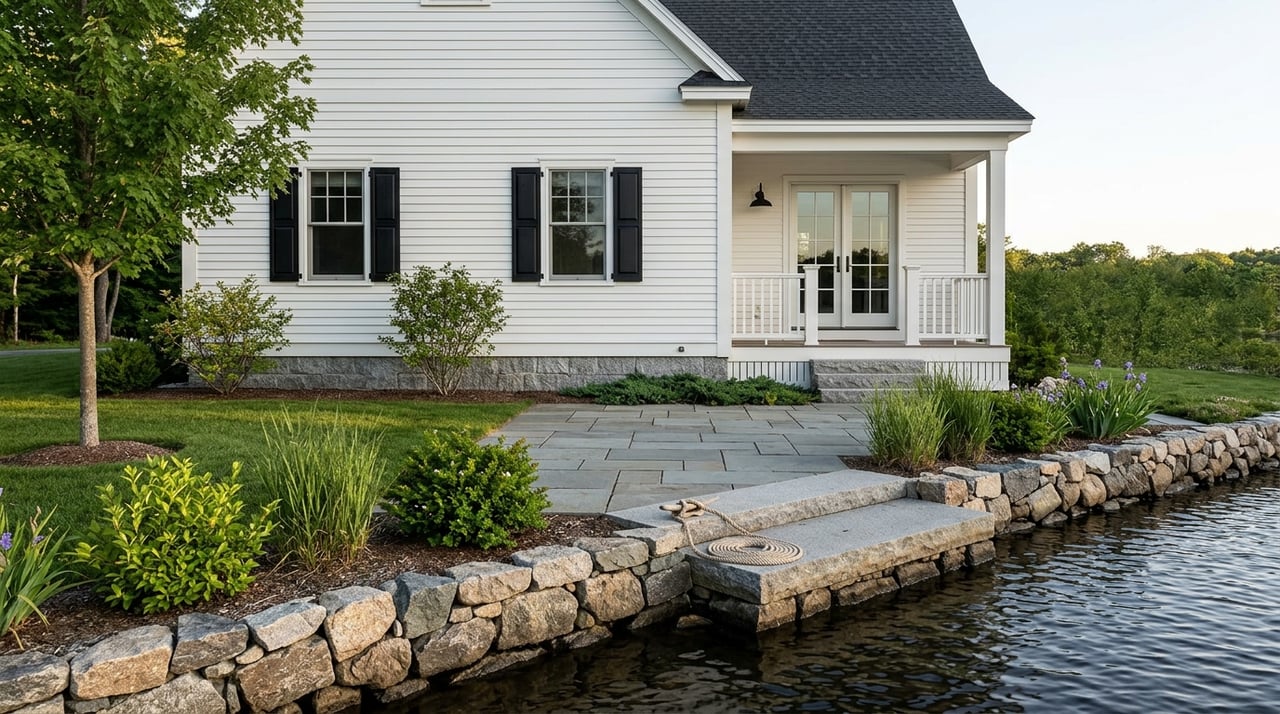
If you picture Lake Champlain living as one simple category, the Burlington-area market will surprise you. Near 05408, waterfront can mean harbor views, a protected bay, a rocky point, a sandy stretch, or shared shoreline in a condo setting. If you are hoping to buy a lakefront home near Burlington, understanding those differences can save you time, money, and stress. Let’s dive in.
What waterfront means near Burlington
Lake Champlain has 587 miles of shoreline, and the shoreline near Burlington is far from one-size-fits-all. The Lake Champlain Basin Program identifies five basic shore types that shape how a property looks and functions, including high and low bluffs, plains, sand dunes, and wetland or marsh areas.
That matters because the shoreline experience changes a lot depending on where you look. Burlington offers a more urban waterfront tied to marinas, parks, and downtown access, while South Burlington has a more residential and park-like shoreline. Colchester, especially around Malletts Bay, brings a longer shoreline with beaches, parkland, and varied waterfront settings.
Shoreline styles in 05408
If you are searching in 05408, you may see properties marketed as Burlington or Colchester waterfront depending on the exact location. In this area, the housing mix often includes Appletree Point, Malletts Bay-adjacent homes, and properties with different levels of lake access and privacy.
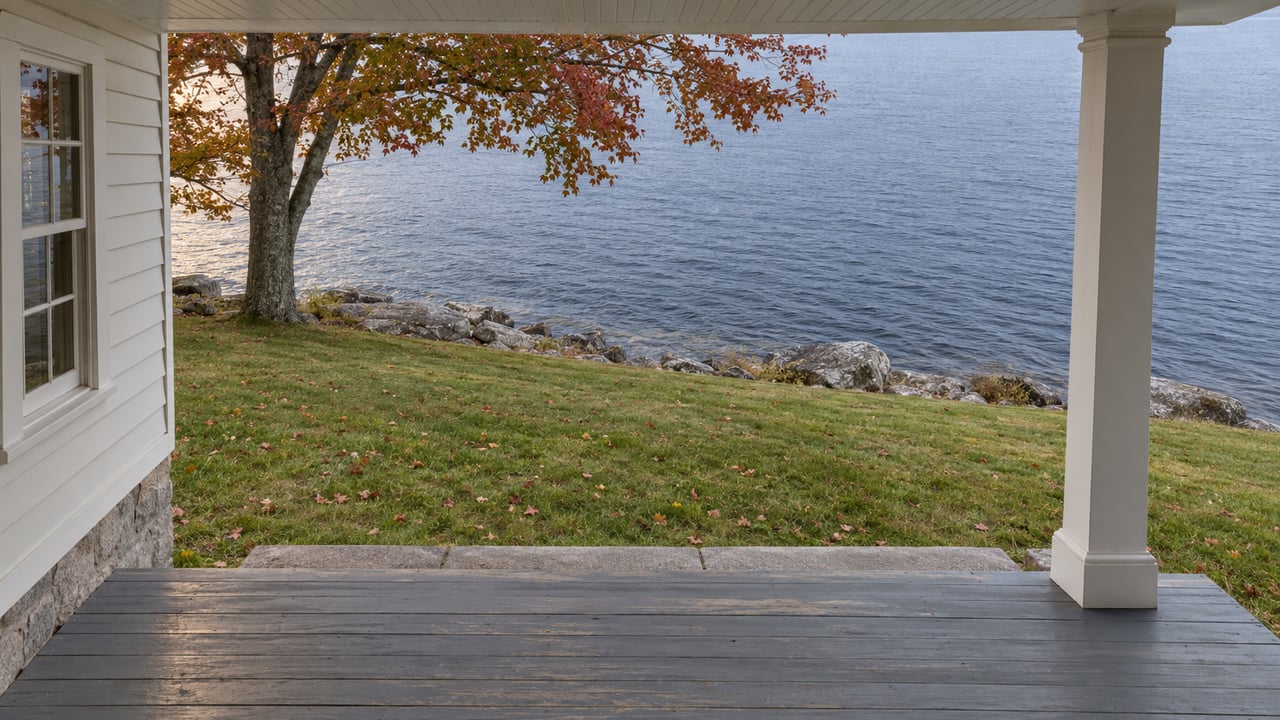
You should expect a wide range of shoreline conditions. Some properties offer rocky or sandy shore, some sit in more sheltered coves, and some provide association-managed access instead of large private frontage. In many cases, the easiest shoreline to use matters more than the longest stretch of shoreline on paper.
Burlington waterfront feel
Burlington is the most amenity-rich submarket on this stretch of the lake. The city’s waterfront connects to marinas, public parks, and the downtown core, which can appeal if you want a blend of boating access and in-town convenience. You can learn more about marina operations through the City of Burlington marina information.
This setting can be ideal if your idea of waterfront living includes walking or biking nearby public spaces and staying close to restaurants, shops, and services. It is a different experience from a more secluded shoreline property farther out on the lake.
South Burlington shoreline feel
South Burlington has 2.3 miles of Lake Champlain frontage and a more residential shoreline character. According to the city’s planning documents, there are no public boat ramps along this stretch, and the shoreline includes parkland, neighborhoods, stream outflows, and a large private landholding.
For buyers, that often means a quieter lakefront setting with a more limited inventory profile. Some options may include direct frontage, while others may lean toward condo or association-based shoreline access.
Colchester and Malletts Bay feel
Colchester offers 29 miles of shoreline around Malletts Bay and nearby tributaries, along with public beaches and parkland. This area often attracts buyers looking for a mix of year-round homes, recreational access, and varied shoreline conditions.
The appeal here is variety. You may find sandy and rocky shore, bayfront settings, and access to places like Bayside Park or scenic shoreline environments similar to the rocky and sandy stretches described at Niquette Bay State Park.
Why shoreline type matters
Not all lakefront lots function the same way. A property with dramatic open-lake exposure may look impressive, but a protected cove or sheltered bay can be easier to use for swimming, mooring, or launching smaller watercraft.
The Lake Champlain Basin Program notes that native vegetation helps stabilize shorelines and reduce runoff. When natural buffers are removed, developed shoreland can see more sediment and nutrient runoff into the lake. For you as a buyer, that means shoreline condition is not just about appearance. It also affects maintenance, erosion risk, and long-term usability.
Usability often beats size
A common misconception is that more frontage automatically means better waterfront value. In practice, a manageable stretch of shoreline with easier access may be more useful than a larger, harder-to-use lot.
Current area listings highlighted in the research often emphasize features like owned frontage, protected coves, year-round views, and mooring rights. That is a good reminder to focus on how you plan to use the property, not just how the listing headline sounds.
Docks, moorings, and access rights
One of the biggest questions with any Lake Champlain property is simple: What exactly comes with the water access? A home may have deeded frontage, shared shoreline, beach rights, a private mooring, or only general lake access.
That distinction matters more than many buyers expect. Some properties include privately controlled shoreline and mooring rights, while others are part of a condo or homeowners association where the shoreline amenities are shared or regulated.
What Vermont allows
Vermont has rules that affect private docks and shoreline structures. Under state guidance, a small non-commercial post-or-float dock may qualify for an exemption if it stays within specific size limits and does not use materials like concrete, masonry, or fill. You can review those standards in the Vermont dock exemption guidance.
Larger structures, dredging, and certain erosion-control projects typically require permits. That means you should never assume you can add or expand a dock after closing without confirming what is allowed.
Seasonality is part of the picture
Even if you plan to use the home year-round, some lake infrastructure is seasonal. Burlington’s Community Boathouse and Perkins Pier marinas generally operate from May 15 to October 15, and Shelburne Bay Park’s floating dock system is installed in early May and removed in October.
That seasonal pattern is normal for this market. It also means your waterfront lifestyle may depend as much on mooring rules, dock timing, and marina access as on the house itself.
Shoreland permits and flood risk
Before you fall in love with a patio plan, shoreline wall, or future addition, it is smart to understand Vermont’s shoreland rules. The Vermont Shoreland Protection Act applies within 250 feet of a lake’s mean water level for lakes larger than 10 acres, including Lake Champlain.
Within that area, certain development, redevelopment, and clearing activities may need a permit or registration. Common regulated work can include riprap, retaining walls, larger docks, dredging, filling, and concrete dock construction.
Burlington overlay and local review
In Burlington, there is also a mapped 250-foot Riparian and Littoral Overlay along the Lake Champlain shoreline. So even if a property seems straightforward at first glance, shoreline work may involve both state and local review.
This is where local due diligence really matters. If you are considering changes to landscaping, erosion control, or waterfront improvements, you want a clear picture of what has already been approved and what may still require review.
Erosion is not just a future problem
Healthy shorelands help reduce erosion and protect water quality, according to Vermont DEC guidance for property owners. The research also notes that Burlington has had to dredge marina facilities after more than 25 years because sediment buildup and recent floodwater infiltration affected navigation and operations.
For buyers, the takeaway is practical. Verify floodplain status, ask about prior shoreline work, and review any permit history before you commit to major post-closing projects.
What prices look like
Waterfront pricing near Burlington has a wide spread, and the gap usually reflects more than square footage. Access type, shoreline usability, location, privacy, and rights to docks or moorings can all influence value.
Based on the current examples in the research, access-oriented or condo-style waterfront entries can come in below $1 million. Mid-range true waterfront homes around Burlington and Colchester in the reviewed examples often clustered from roughly $1.4 million to $1.9 million, while upper-end properties can move well beyond that.
Typical price ranges from current examples
| Waterfront type | Example range |
|---|---|
| Access or condo-style entries | About $489,000 to $899,900 |
| True waterfront examples | About $1.395M to $1.895M |
| Upper-end lakefront | About $2.41M and up |
These examples are useful for setting expectations, but the real story is in the fine print. Two homes with similar asking prices can offer very different shoreline experiences.
Smart questions to ask before you buy
When you tour a Lake Champlain waterfront property near Burlington, try to think beyond the view. The most important questions are often about rights, restrictions, and maintenance.
Here are a few diligence items worth reviewing early:
- Confirm whether the property has deeded frontage, shared shoreline, beach rights, or lake access only.
- Ask whether dock and mooring rights are included, shared, permitted, or controlled by an HOA or condo association.
- Check whether any riprap, seawall, dredging, or shoreline stabilization work has permit history.
- Verify whether the parcel sits inside the 250-foot shoreland area or a local shoreline overlay.
- Ask how the owners use the property through the year, especially if docks, moorings, or marina access are seasonal.
Why local guidance matters
Lakefront purchases tend to be more layered than a typical home search. A great waterfront property is not just about the house or the view. It is also about shoreline condition, access rights, permit history, and how the site fits your goals.
That is why local expertise can make a real difference. If you want help comparing Burlington, South Burlington, Colchester, or nearby waterfront options, Real Estate Associates offers the kind of hands-on local guidance that helps you move forward with clarity.
FAQs
What should you verify before buying a Lake Champlain waterfront home near Burlington?
- Confirm deeded frontage, shared access details, dock or mooring rights, floodplain status, and any shoreline permit history.
What does waterfront mean in the 05408 area?
- In 05408, waterfront can mean private frontage, bayfront, protected cove access, association shoreline, or condo-style shared lake access depending on the property.
Do Lake Champlain waterfront homes near Burlington always include a dock?
- No. Some properties include docks or mooring rights, while others require approvals, have shared facilities, or do not include private dock rights at all.
Are shoreland permits important for Lake Champlain homes near Burlington?
- Yes. Vermont’s Shoreland Protection Act can affect development and shoreline work within 250 feet of the lake’s mean water level.
What price range should you expect for waterfront homes near Burlington?
- Current examples in the research range from under $500,000 for some access-oriented properties to well above $2 million for upper-end lakefront homes.