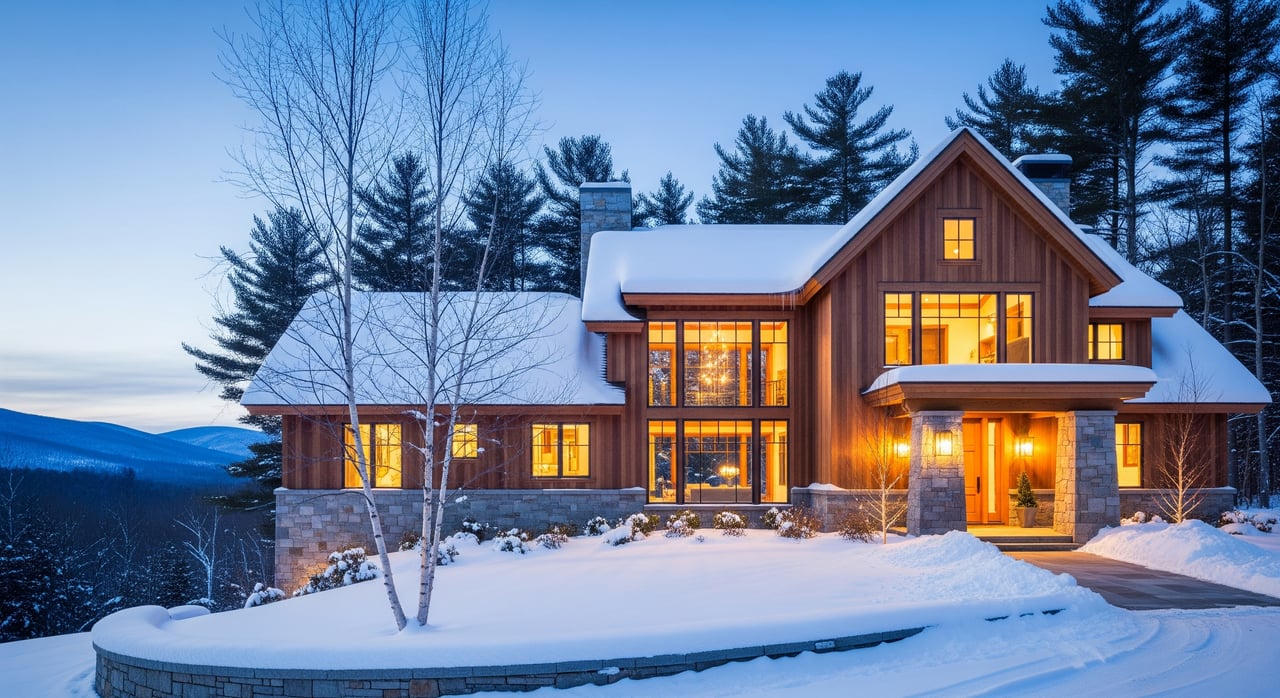
Thinking about buying a home in Jericho while the snow is piling up? Winter can actually tilt the market in your favor. With fewer active buyers and sellers who often want to move before spring, you can find more room to negotiate and a smoother path to the closing table. In this guide, you’ll learn why winter works for buyers in 05465, how a local buyer’s agent protects your contingencies, and what to expect from showings, inspections, and timelines. Let’s dive in.
Why winter favors Jericho buyers
Winter is the slower season for real estate across Vermont. There are usually fewer listings and fewer buyers out touring, which changes the pace and tone of negotiations.
- Less competition means you’re less likely to face multiple offers on every home you like.
- Sellers who list or stay on the market through winter are often motivated by timing and may be open to concessions.
- Longer days on market can translate into price flexibility, seller-paid closing costs, or acceptance of inspection contingencies.
Jericho is a small, tight market, so there can still be competition for well-priced homes. The key is context. When you pair a strong pre-approval with a realistic offer and clean terms, you increase your odds of securing the home without a bidding frenzy.
What your Jericho buyer’s agent does for you
A local buyer’s agent is your strategic partner, especially in winter. You get pricing intelligence, contingency protection, and negotiation that reflects Jericho’s conditions.
Pricing and offer strategy
Your agent builds a comparative market analysis using local comps and winter trends. You’ll discuss price, likely competition, and terms that speak to a motivated seller, such as a reliable close date and solid financing. The goal is a sharp offer that balances value with credibility.
Contingency protection tailored for winter
Winter limits what you can see outside, so your contingencies should reflect that. Your agent drafts inspection language that spells out what can be inspected now and what might need follow-up after thaw. Radon testing belongs on the list in Vermont, and your agent can coordinate that along with other specialist inspections.
Inspection and repair negotiation
After inspections, your agent helps you decide where to ask for repairs, credits, or an escrow holdback. Exterior work like grading, roof work, or septic excavation may not be feasible in the cold. Credits or holdbacks can keep your closing on track while ensuring issues are addressed later under clear terms.
Timelines and escalation
A good agent manages the calendar. They coordinate showings around snow, line up inspectors, monitor lender milestones, and communicate with the listing agent to prevent surprises. If you need to close before spring, they keep everyone aligned on dates and deliverables.
Local contractor network
Winter transactions depend on the right people. Your agent connects you with inspectors and contractors who understand cold-climate homes, heating systems, chimneys, septic and well considerations, and radon mitigation. That support helps you get accurate estimates for negotiations and post-closing planning.
Appraisal and financing coordination
Winter can mean fewer recent sales. Your agent packages comps and market context for the appraiser, then works with your lender to keep underwriting moving. Preparation reduces the chance of last-minute delays.
Winter showings and inspections: what to watch
Cold-weather showings and inspections in Vermont come with unique conditions. A winter-savvy approach helps you uncover what matters now and plan for what can only be verified after thaw.
Snow cover and site drainage
Snow hides grading and soil conditions. You may not be able to confirm how water flows around the foundation. Ask your inspector to note potential drainage risks and plan to reassess in spring if needed.
Roofs, gutters, and ice dams
Ice dams and snow load can cause leaks. Gutters and roof edges might be hard to see. If exterior repair is needed, your agent can guide you toward a credit or holdback, since many roof and gutter jobs wait for warmer weather.
Heating systems and fuel type
Vermont homes heat with oil, propane, natural gas in limited areas, wood, or electric. Request recent heating bills to gauge winter operating costs. Inspectors should assess the boiler or furnace, any oil tanks, vents and chimneys, and woodstove installations.
Radon and indoor air quality
Winter is a good time for radon testing because homes are closed up. Your agent can build radon testing into your inspection contingency and help you plan for mitigation if needed.
Wells and septic systems
Frozen ground limits what can be tested or excavated. Inspectors still provide valuable information, but full evaluation may be deferred until spring. In those cases, credits or holdbacks are common tools to keep the deal moving while protecting you.
Interior moisture and ventilation
Watch for condensation on windows, cold corners, or stuffy rooms. Winter can reveal ventilation and insulation gaps. Your inspector will flag concerns that can lead to moisture issues or mold risk.
Access and winter maintenance
Plan for snow removal at showings and inspections. Your agent coordinates access with the seller and helps you decide what’s reasonable. Good planning keeps the process safe and on schedule.
Negotiation tools that work in winter
Winter repairs can be tricky, but you have options that balance speed and protection.
Seller credits at closing
A credit reduces your cash to close or your interest rate points, and it lets you control the work after you own the home. Credits are useful for exterior items that cannot be addressed until spring.
Escrow holdbacks
An escrow holdback sets aside an agreed amount that is released after repairs are completed to a defined standard. Your agent will help structure the details, including deadlines and contractor qualifications.
Flexible closing dates
If you can be flexible by a few days, that can help your offer. In return, you ask for the credit or holdback language that protects you.
Limited contingency waivers
In a tight market, some buyers shorten or waive contingencies. Your agent will explain the risks, especially when winter conditions keep some items hidden. You should never give up protection without understanding the tradeoffs.
Timeline to close before spring
If your goal is to move in before the snow melts, start prepared and move decisively. A realistic schedule often looks like this:
- Days 1 to 3: Submit offer with proof of funds and pre-approval. Align on target close date.
- Days 4 to 10: Complete general inspection, radon test, and any specialist inspections that are feasible in winter. Flag items that require spring follow-up.
- Days 10 to 14: Negotiate repairs, credits, or escrow holdbacks. Sign addenda with clear timelines and standards.
- Days 14 to 28: Appraisal window. Your agent provides comps and market notes to support value.
- Days 21 to 35: Loan conditions and underwriting wrap-up. Clear any appraisal or condition questions.
- Days 30 to 45: Final walk-through and closing. If exterior items remain, confirm holdback details.
External work like roofing, grading, or septic excavation may wait until the ground thaws. Plan your budget and schedule with that in mind.
Quick readiness checklist
Use this list to move fast and protect your interests.
- Get a lender pre-approval with full documentation, not just pre-qualification.
- Choose a Jericho-area buyer’s agent experienced with winter purchases.
- Book a cold-climate home inspector and add radon testing.
- Discuss seasonal limitations in your inspection contingency.
- Get estimates from contractors to inform credits or escrow amounts.
- Request recent heating bills and note the home’s fuel type.
- Align with your agent and lender on appraisal strategy and timing.
- Prepare for winter showings with flexible scheduling and safe access.
Local expectations for 05465
Jericho’s proximity to Burlington keeps demand steady, yet winter still eases buyer competition. Inventory can be tight at times, so move quickly when a well-priced home fits your needs. Expect some scheduling friction from storms, slower exterior contractor response, and occasional appraisal timing gaps. With a prepared file and clear contingency language, you can still reach a pre-spring closing.
Final thoughts
Buying in winter can set you up with better terms, less pressure, and a practical path to move-in before the spring rush. The right Jericho buyer’s agent helps you see past the snow, structure smart contingencies, and negotiate repairs or credits that protect your budget.
Ready to make your winter buy work for you in 05465? Book an Appointment with Real Estate Associates to map your plan, line up inspections, and secure the right home on your timeline.
FAQs
Is winter really a better time to buy in Jericho?
- Often yes, because there are fewer active buyers and motivated sellers, which can translate into better terms and less competition.
Will a winter home inspection miss important problems?
- Inspections are still valuable, but snow and frozen ground can limit exterior evaluation, so include language for spring follow-up if needed.
How do I handle roof or grading issues that cannot be fixed now?
- Negotiate a seller credit or an escrow holdback so you can complete the work after thaw with funds set aside for that purpose.
Should I test for radon in winter?
- Yes, winter is a good time because homes are closed up, and your inspection contingency should include radon testing.
Can I still close before spring with exterior repairs pending?
- Yes, many buyers close with credits or holdbacks for exterior items, then complete the work when weather allows.
Will appraisals be harder in winter due to fewer comps?
- Appraisers work with available data, and your agent can provide market context and supporting comps to help keep the process smooth.
What can make my offer stand out in a small market like 05465?
- A strong pre-approval, realistic timelines, and clear contingency language that accounts for winter limitations can make your offer more attractive.